
Create Atmospheric Soundscapes Using Delay and Reverb
- The American Guitar Academy

- Jul 24, 2025
- 5 min read
Creating atmospheric soundscapes on guitar involves crafting rich, immersive tones that transport the listener. Two of the most important tools for achieving this are delay and reverb pedals. These effects are essential for adding depth, texture, and space to your playing and are widely used in genres like post-rock, shoegaze, and experimental music. Whether you're looking to create subtle ambience or vast, ethereal soundscapes, mastering delay and reverb can unlock new dimensions in your guitar playing. This article will explain the basics of delay and reverb, show you how to combine them effectively, and introduce advanced techniques for crafting your own unique soundscapes.
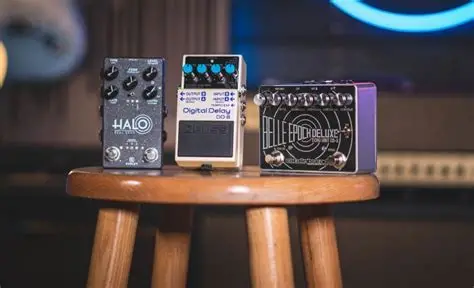
Understanding Delay and Reverb: The Basics
Before exploring how to use delay and reverb, it’s important to understand what they are and how they function.
What is Delay?
Delay is an effect that records your guitar signal and plays it back after a set amount of time. Depending on the delay time and feedback settings, you can create subtle echoes, rhythmic repetitions, or long, cascading repeats.
Key parameters of a delay pedal include:
Time: Controls the delay between the original note and the repeat.
Feedback: Determines how many times the sound repeats before fading out.
Mix level: Balances the dry (original) signal with the delayed signal.
Delay comes in different types:
Analog delay: Known for warm, slightly degraded repeats.
Digital delay: Clean, precise echoes with more control over settings.
Tape delay: Vintage sound with slight warbling and decay over time.
What is Reverb?
Reverb simulates the natural reflections of sound in a physical space, adding depth and dimension. It’s useful for creating the impression that your guitar is being played in a large hall, small room, or any other environment.
Key parameters of a reverb pedal include:
Decay: Controls how long the reverb lasts.
Size: Determines the size of the simulated space.
Mix level: Adjusts the balance between the dry signal and the reverb effect.
Common types of reverb:
Hall reverb: Creates the sense of playing in a large, echoing space.
Plate reverb: Provides a bright, smooth reverb often used in recordings.
Spring reverb: Warmer, vintage reverb commonly used in surf rock and older amplifiers.
Using Delay to Build Texture and Space
Delay is a versatile effect that can be used in many ways to add texture, movement, and space to your sound. Here’s how to make the most of it.

Delay Times and Ambience
Short delays (under 100 ms) add thickness to your tone by creating a doubling effect. This is great for adding subtle texture without overpowering the original sound.
Medium delays (200-600 ms) are useful for creating rhythmic echoes that interact with your playing. These delays are often used to add a sense of space while maintaining a clear rhythmic pulse.
Long delays (600 ms and beyond) create evolving echoes that blur the lines between rhythm and ambience. These are ideal for ambient sections, intros, or outros where you want the sound to feel like it’s stretching into infinity.
Feedback and Modulation
Increasing the feedback will make the delay repeats last longer, creating a cascading effect that can build up over time. Be careful not to set the feedback too high, or the repeats can overwhelm your playing.
Some delay pedals offer modulation (like chorus or vibrato) on the delayed signal. This can add a dreamy, warbly texture to your sound, which is particularly useful for creating ambient and experimental tones.
Delay Techniques
Dotted-eighth note delay: A rhythmic delay commonly used for adding a syncopated echo to strummed chords or lead lines.
Long feedback: Using long delay times and high feedback settings can create evolving textures that fill out your sound, ideal for building atmosphere in quieter or more experimental sections.
Using Reverb to Create Depth and Dimension
While delay adds movement to your sound, reverb gives it depth, making your guitar feel as though it’s being played in a specific space.
Choosing the Right Reverb Type
Different types of reverb will produce different atmospheres:
Hall reverb: Long, smooth decays that mimic the sound of playing in large spaces. Ideal for creating vast, ethereal soundscapes.
Plate reverb: Bright and smooth, often used for more polished sounds.
Spring reverb: Adds a vintage feel and is good for warmer, more intimate textures.
Decay and Mix Control
Decay determines how long the reverb lasts. A longer decay time creates more space, but too much decay can muddy your sound.
Mix controls how much reverb is present. Lower settings keep the effect subtle, while higher settings push the reverb to the forefront.
Shimmer Reverb
Some reverb pedals offer a shimmer effect, which adds harmonics (often an octave up) to the reverb tail. This creates an almost angelic, sparkling quality that works well for creating celestial, dreamlike tones.
Combining Delay and Reverb for Maximum Atmosphere
Using delay and reverb together can create rich, layered soundscapes that envelop the listener. Here’s how to combine them effectively.

Layering Delay and Reverb
Most guitarists place delay before reverb in their signal chain. This allows the delayed echoes to be “washed” into the reverb, creating a smooth, flowing sound. This is great for building ambient textures that feel cohesive and unified.
Alternatively, placing reverb before delay can create a more rhythmic, pronounced echo effect, as the reverb tail will be repeated by the delay. This works well when you want the reverb to have a more noticeable, rhythmic quality.
Subtle vs. Extreme Settings
For a more subtle ambience, keep the delay feedback low and the reverb decay short. This will add texture without overwhelming the original guitar signal.
If you’re aiming for a huge, atmospheric sound, try cranking up the feedback and using a long reverb decay. This will create expansive soundscapes that fill the sonic space.
Recommended Delay and Reverb Pedals for Creating Atmospheric Soundscapes
If you're looking to start building your own atmospheric soundscapes, here are some popular delay and reverb pedals to consider:
Strymon Timeline (delay) and BigSky (reverb): High-end, versatile pedals perfect for creating complex, ethereal textures.
Boss DD-500 (delay): A powerful digital delay with a range of options for everything from short echoes to infinite delays.
MXR Carbon Copy (delay): An analog delay with warm, rich echoes.
EarthQuaker Devices Afterneath (reverb): Known for its otherworldly, almost granular-sounding reverb.
Electro-Harmonix Cathedral (reverb): Offers lush, spacious reverbs with tons of flexibility.
For those on a budget, pedals like the TC Electronic Flashback (delay) and Hall of Fame (reverb) offer excellent performance at a more affordable price.
Expanding Your Sonic Palette
By mastering delay and reverb pedals, guitarists can transform their playing into something far beyond simple chords and riffs. These effects allow you to create immersive, atmospheric soundscapes that are perfect for post-rock, shoegaze, and experimental music. Whether you're crafting subtle ambience or building massive walls of sound, delay and reverb pedals are essential tools for any guitarist looking to expand their sonic palette. Experiment with different settings, layering techniques, and combinations to discover your own unique sound, and don't be afraid to push the limits of what these effects can do.


