
How Video Game Music Became Its Own Genre

Video game music (VGM) has transformed from a series of simple, functional sound effects into an art form celebrated by gamers and music enthusiasts worldwide. Today, it occupies a space where creativity, technology, and storytelling converge, crafting soundscapes that are as memorable as the games themselves. As a genre, VGM has grown to blend diverse musical traditions, from classical orchestration to electronic experimentation, all while embracing cutting-edge technologies. Its evolution reflects not only advancements in gaming but also a broader cultural recognition of its artistic significance.

A Brief History of Video Game Music
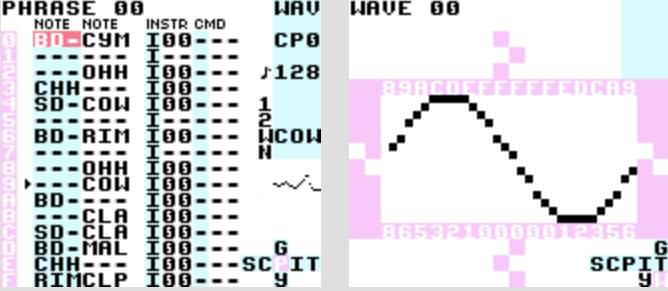
The history of video game music began in the humble arcades of the 1970s. Early games such as Pong relied on rudimentary sound effects, prioritizing functionality over musicality. However, as gaming technology advanced, so did the potential for music to play a more prominent role. The introduction of 8-bit consoles brought about a new era where limited sound chips were creatively pushed to produce iconic melodies. The theme from Super Mario Bros., composed by Koji Kondo, is a testament to this ingenuity, with its unforgettable tune that still resonates decades later.
With the arrival of 16-bit and 32-bit consoles, video game soundtracks became richer and more complex. Games like Final Fantasy VI and Chrono Trigger utilized MIDI technology to create sweeping compositions that elevated storytelling and gameplay. By the late 1990s, the advent of CD-quality audio enabled full orchestral scores, setting a new standard for immersive gaming experiences. These advancements turned video game music from a background element into a defining feature of the medium.

Defining the Genre: Blending Traditions and Styles
What makes video game music so unique is its ability to draw inspiration from a variety of musical traditions and styles. Classical music serves as a major influence, particularly in games that aim to evoke a sense of grandeur or adventure. The Legend of Zelda series, for example, often employs sweeping orchestral arrangements to underscore its epic narrative. Similarly, many games incorporate rock and electronic music to create energy and excitement. The heavy metal riffs in Doom and the ambient electronica in Mass Effect showcase the versatility of these genres in enhancing gameplay.
Beyond these staples, video game music frequently ventures into jazz, funk, and world music. Titles like Persona 5 are celebrated for their jazzy scores, which add a sophisticated, urban flair, while games such as Splatoon mix upbeat funk with experimental sounds to create a vibrant, playful atmosphere. Many soundtracks also draw from cultural traditions. The Japanese folk music-inspired compositions of Okami and the African percussion featured in Ori and the Blind Forest illustrate how global influences enrich the genre. By seamlessly blending styles, video game music becomes a true melting pot of sound, reflecting the diversity of the gaming world itself.

Examples of Iconic Video Game Music
The impact of video game music can be seen in the popularity of its standout compositions, many of which have become cultural touchstones. One of the most iconic examples is “One-Winged Angel” from Final Fantasy VII. This dramatic piece combines choral arrangements with orchestral intensity, perfectly capturing the menacing presence of the game’s antagonist, Sephiroth. Another classic is “The Song of Storms” from The Legend of Zelda: Ocarina of Time, a hauntingly cyclical melody that lingers in the minds of players long after the game ends.
More contemporary examples include Lena Raine’s soundtrack for Celeste, which uses emotional electronic compositions to mirror the protagonist’s struggles and triumphs. Similarly, The Witcher 3’s music draws heavily from Slavic traditions, immersing players in the game’s richly detailed world. Songs like “Still Alive” from Portal showcase a different approach, blending humor and technology through a pop tune performed by an AI character. These compositions highlight the diversity and creativity that define video game music.
The Role of Emerging Technologies in Video Game Music
Technological advancements have been instrumental in shaping the evolution of video game music, enabling composers to experiment and innovate. One of the most exciting developments is the use of adaptive music systems, where the soundtrack dynamically changes in response to the player’s actions. Games like Red Dead Redemption 2 use this technique to create a personalized auditory experience, allowing the music to flow seamlessly with the gameplay.
Artificial intelligence and machine learning are also making their mark, with tools that can generate music dynamically based on in-game scenarios. In virtual reality (VR) gaming, immersive audio design is crucial, as seen in Beat Saber, where precise synchronization of music and action enhances player engagement. Additionally, collaborative technologies like digital audio workstations (DAWs) allow composers from around the world to work together, resulting in soundtracks that are as diverse as the teams creating them. These innovations ensure that video game music remains at the forefront of technological and artistic progress.

The Cultural Impact of Video Game Music
The influence of video game music extends far beyond the gaming community. Live concerts and symphonic performances, such as Video Games Live, bring these soundtracks to new audiences, demonstrating their artistic value. Streaming platforms like Spotify and YouTube have also played a significant role in popularizing VGM, making it accessible to listeners who may not even play video games.
Recognition from major award ceremonies, including the Grammys and BAFTAs, has further cemented the genre’s legitimacy in the music industry. These accolades reflect the growing appreciation for video game music as a powerful medium for storytelling and emotional expression.
Bloops and Beeps
Video game music is much more than background noise—it is an innovative, evolving genre that resonates deeply with players and listeners alike. By blending diverse musical traditions with emerging technologies, VGM creates immersive soundscapes that enhance gaming experiences while standing as works of art in their own right.
As technology continues to advance, the possibilities for video game music are limitless. It is poised to inspire the next generation of composers and listeners, ensuring that its melodies will echo far beyond the digital worlds from which they emerged. Whether you find yourself humming the timeless theme of Super Mario Bros. or marvelling at the dynamic score of Red Dead Redemption 2, one thing is clear: video game music is here to stay.


