
10 Things Only Guitarists Will Argue About (Until the End of Time)
- The American Guitar Academy

- Oct 30, 2025
- 5 min read
Guitarists are known for their passion, creativity, and unending enthusiasm for gear and techniques. But where there’s passion, there’s debate, and some topics among guitarists seem destined to spark arguments forever. From the tonal qualities of wood to the order of pedals on a board, these discussions are as varied as the instrument itself. Let’s take a closer look at the ten most enduring points of contention in the guitar community, each steeped in its own rich history and technical nuance.

1. Tube Amps vs. Solid-State Amps
The debate over tube amps versus solid-state amps has been ongoing since the introduction of transistor technology in the mid-20th century. Tube amps, using vacuum tubes (or valves), are revered for their warm, organic tone and dynamic responsiveness. Players often describe the sound of tube amps as “alive,” with a natural overdrive that reacts to the subtle nuances of a guitarist’s playing. However, tube amps are also heavier, more fragile, and require regular maintenance, making them less convenient for many musicians.
On the other hand, solid-state amps are lighter, more reliable, and far less expensive to maintain. These amps use transistor-based circuits, producing consistent, clean tones with little upkeep. Jazz guitarists often favor the precise and uncolored sound of solid-state amps, like the Roland Jazz Chorus, while gigging musicians appreciate their durability. The trade-off is often in tone—though solid-state amps have improved significantly over the years, many players feel they still lack the warmth and richness of tubes. Ultimately, the choice comes down to priorities: tone, practicality, or a balance of the two.

2. The Correct Order of Pedals on a Pedalboard
Few topics cause as much friendly disagreement as the proper order of effects pedals on a pedalboard. The classic signal chain places pedals in a sequence: tuner, compression, overdrive/distortion, modulation (like chorus or phaser), and time-based effects (such as delay and reverb) at the end. This order ensures clarity and avoids unexpected tonal clashes. For example, putting delay before overdrive can muddy the repeats, while compression early in the chain smooths out dynamics before hitting other effects.
However, many guitarists deviate from the standard order to achieve unique tones. Experimental players might reverse modulation and distortion pedals or place reverb early in the chain for unconventional sounds. The reality is that there is no definitive “right” answer—only what works for the individual guitarist’s sound. Still, this hasn’t stopped countless debates from erupting in guitar forums and rehearsal spaces worldwide.

3. Stratocaster vs. Les Paul
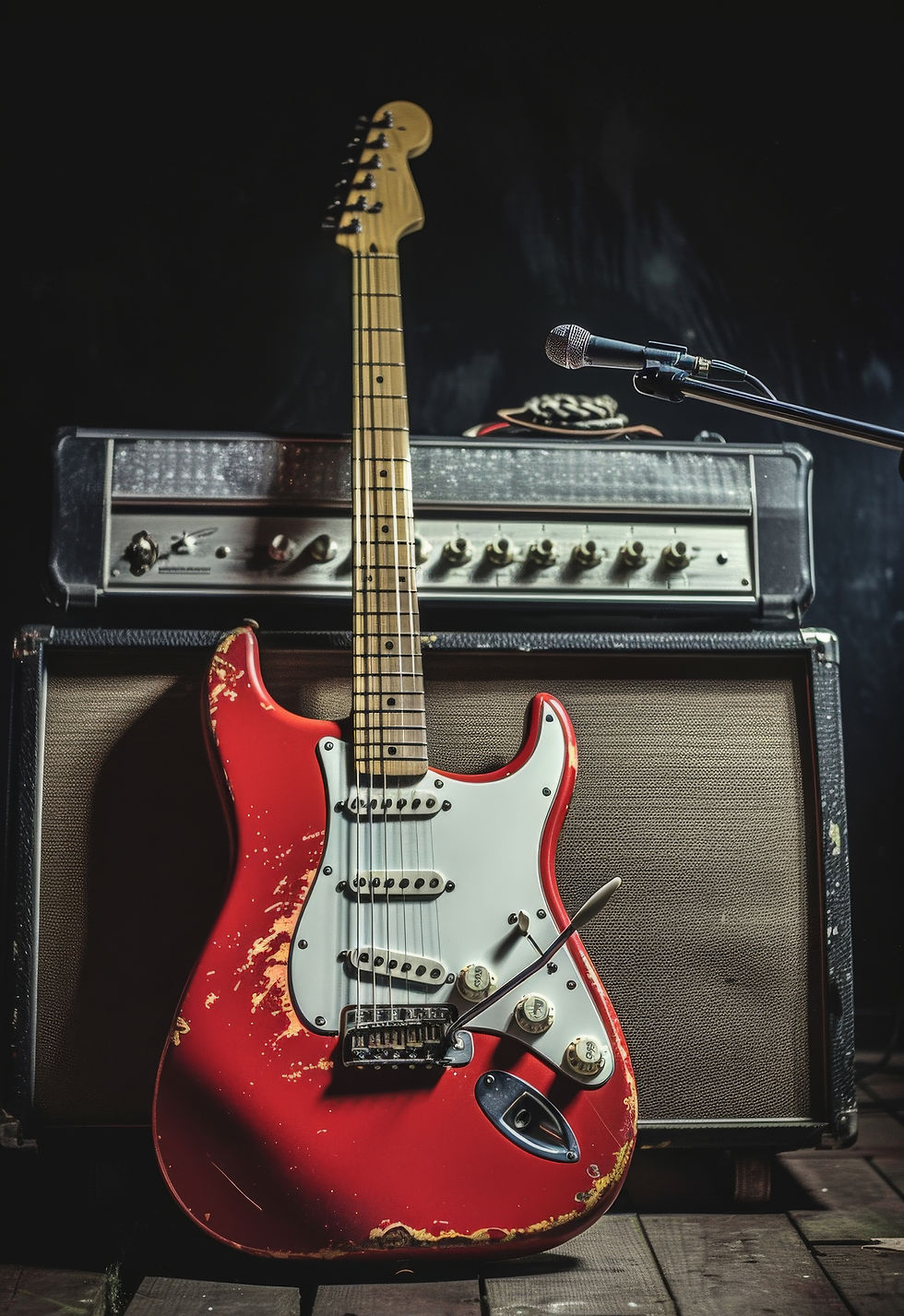
The Fender Stratocaster and Gibson Les Paul are two of the most iconic electric guitars ever made, and their differences inspire endless comparisons. The Strat, with its contoured body, three single-coil pickups, and tremolo system, is celebrated for its versatility and bright, cutting tone. It’s the weapon of choice for players like Jimi Hendrix, Eric Clapton, and John Mayer, spanning genres from blues to pop to funk.
The Les Paul, in contrast, offers a thicker, warmer tone with its dual humbuckers and solid mahogany body. Its sustain and depth make it a favorite among rock and metal guitarists, with legends like Jimmy Page and Slash showcasing its capabilities. While both guitars have their strengths, the argument often boils down to personal preference and playing style. Some players even refuse to choose, keeping one of each in their arsenal.
4. Do Tonewoods Matter?
The role of tonewoods in shaping a guitar’s sound is a polarizing subject. Advocates argue that the wood used in a guitar’s body and neck significantly impacts its tonal characteristics. For example, mahogany is said to produce warm, rich tones, while alder offers balanced brightness, and maple contributes a sharper, more articulate sound. Acoustic guitars, in particular, demonstrate noticeable differences based on wood types.
Skeptics, however, believe that factors like pickups, strings, and amplifiers have a far greater influence on tone than the wood itself. They point out that electric guitars, especially solid-body models, rely on electronic components to produce sound, minimizing the wood’s contribution. This debate often splits traditionalists, who value craftsmanship and natural materials, from modernists who prioritize hardware and practicality.

5. Are Capos Cheating?
The capo, a small but powerful accessory, often sparks debates about its role in guitar playing. Supporters praise its ability to quickly change keys and unlock new voicings without learning complex chord shapes. Capos are especially beloved in genres like folk and acoustic music, where open-string voicings are central to the sound.
Critics, however, view capos as a crutch, arguing that skilled players should master barre chords and alternate tunings instead. This perspective can create unnecessary stigma, as capos are a tool, not a shortcut. In truth, many accomplished players, including legends like Keith Richards and Tommy Emmanuel, regularly use capos to enhance their music. Like any tool, the capo’s value depends on how it’s used.

6. Digital vs. Analog Pedals
The rise of digital pedals has introduced a new dimension to the analog-versus-digital debate. Analog pedals are prized for their warmth, simplicity, and the tactile joy of knobs and switches. Many players feel analog circuits produce a more “organic” sound, particularly in effects like overdrive and delay.
Digital pedals, meanwhile, offer unparalleled versatility and precision. Modern multi-effects units can replicate the sounds of dozens of classic pedals and amps, often at a fraction of the cost. While some purists dismiss digital effects as lifeless, their quality has improved dramatically, with brands like Strymon and Line 6 leading the charge. For most players, it’s not about choosing one over the other—it’s about finding the right tool for the job.

7. Pick or Fingers?
The choice between using a pick or fingers can reveal a guitarist’s musical style and priorities. Picks provide attack, precision, and volume, making them ideal for fast lead lines and powerful rhythm playing. Fingerstyle players, on the other hand, achieve a softer, more dynamic tone, with the ability to play complex patterns and bass lines simultaneously.
This debate often becomes a question of genre. Rock and metal players gravitate toward picks, while classical and jazz musicians lean toward fingerstyle. Of course, many players, like Mark Knopfler or hybrid pickers, blur the lines, combining the strengths of both techniques.

8. What’s the Best String Gauge?
String gauge is another topic of endless contention among guitarists. Lighter strings (e.g., .009s) are easier to bend and play, making them popular for lead guitarists and beginners. Heavier strings (.011s or higher) produce richer tones and greater sustain, favored by rhythm players and those with stronger hands.
The debate often touches on legendary examples, like Stevie Ray Vaughan’s famously heavy-gauge strings, which many players aspire to emulate despite the physical demands. Ultimately, the best string gauge depends on the guitarist’s style, tone preferences, and hand strength.

9. Is Shredding Overrated?
Shredding—fast, technical playing—divides the guitar community. Proponents admire its skill and precision, viewing it as the pinnacle of guitar technique. Critics argue that shredding often prioritizes speed over emotion, lacking the soul of a slower, well-phrased solo.
This debate often comes down to personal taste and musical context. While shredding is a hallmark of genres like metal and progressive rock, other styles, such as blues or indie, emphasize expression and simplicity. Both approaches have their place, but the debate remains fiercely subjective.

10. Does Gear Matter More Than Skill?
The gear-versus-skill argument is a cornerstone of guitar discussions. On one hand, great equipment can enhance a guitarist’s tone and provide inspiration. On the other hand, no amount of gear can compensate for a lack of practice and technique.
This debate often leads to reflection on famous examples. Many guitarists point to legends like Jimi Hendrix, who achieved iconic tones with relatively simple rigs, as proof that skill trumps gear. Others argue that high-quality gear is essential for achieving certain sounds. In reality, a balance of skill and equipment is key to unlocking a guitarist’s potential.

What’s Your Stance?
The debates guitarists engage in reflect their deep passion for their craft. While these topics often inspire strong opinions, they also foster dialogue, creativity, and exploration. Whether you’re a tonewood enthusiast, a pedalboard perfectionist, or somewhere in between, the beauty of these debates lies in their ability to keep guitarists learning, experimenting, and sharing their love of music.


