
“Solid, Semi-Hollow, Hollow: What’s the Difference?”

The electric guitar is one of the most influential and iconic instruments in the history of modern music. Its sounds have defined genres, inspired musicians, and created some of the most unforgettable moments in music history. But the electric guitar is not a monolith; it comes in several distinct types, each with unique qualities that shape the way it sounds and feels. Among the most notable categories are solid-body, semi-hollow, and hollow-body guitars. These designs reflect different approaches to construction, tonal characteristics, and usability, and they have each played significant roles in shaping the music we love.

The Build: Understanding the Anatomy of Electric Guitars
At the heart of every electric guitar is its construction, which directly influences its sound and playability. Solid-body guitars, as the name suggests, are built from a solid piece of wood or a composite of several solid pieces. This dense and unyielding structure eliminates internal cavities, creating an instrument that resists feedback and provides a consistent tonal output. Without a hollow chamber, the sound is generated almost entirely by the vibrations of the strings interacting with the pickups, making the tone bright, precise, and highly adaptable. Classic examples of solid-body guitars include the Fender Stratocaster and Gibson Les Paul, both of which have become legendary in the hands of artists like Jimi Hendrix and Jimmy Page.
In contrast, semi-hollow guitars offer a middle ground between the solid and hollow-body designs. These guitars are characterized by a solid wood block running through the center of the body, flanked by hollow chambers on either side. This hybrid construction allows for some resonance and warmth, akin to an acoustic guitar, while controlling feedback more effectively than fully hollow instruments. The result is a sound that blends clarity with a rounded, organic tone. Semi-hollow guitars, like the Gibson ES-335, have been favored by musicians who seek a balance between rich harmonics and tonal precision, particularly in genres like blues, jazz, and indie rock.
Hollow-body guitars, often referred to as archtops, represent the original electric guitar design. Fully hollow inside and often featuring distinctive “f-holes” on the body, these guitars are closest in construction to traditional acoustic instruments. Their larger, resonant chambers allow the sound to breathe naturally, producing a warm and rich tone that is ideal for clean playing styles. However, this design also makes them more prone to feedback, particularly in high-gain or high-volume settings. Hollow-body guitars like the Gibson ES-175 and the L5 have been beloved by jazz musicians for their smooth, mellow tones and by early rock ‘n’ roll pioneers for their lively resonance.
The Sound: Tone Profiles of Each Design
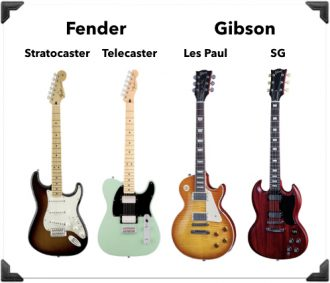
The construction of a guitar profoundly shapes its tone, dictating how it responds to different playing styles and amplifications. Solid-body guitars, with their dense construction, are known for their bright, cutting sound and exceptional sustain. Because there is little resonance from the body itself, the tone is tightly focused and precise, making these guitars incredibly versatile. They are equally at home delivering the aggressive riffs of heavy metal, the crisp articulation of country picking, or the soaring solos of rock. Their feedback resistance makes them a staple on loud, high-energy stages, where clarity is paramount.

Semi-hollow guitars occupy a tonal sweet spot, combining the warmth and resonance of hollow-body guitars with the control and focus of solid-body designs. The hollow chambers add depth and richness to the sound, while the solid center block prevents unwanted feedback. This balanced tonal profile makes semi-hollow guitars particularly appealing for blues, R&B, and indie rock. The Gibson ES-335, for example, has been a favourite of players like B.B. King, whose guitar named “Lucille” defined the warm, lyrical voice of electric blues.

Hollow-body guitars offer a tone that is woody, resonant, and distinctly organic. Their design allows for a natural acoustic quality that shines in clean settings, making them the go-to choice for jazz musicians seeking a natural, authentic sound. However, their susceptibility to feedback at higher volumes means they are less suited to heavily distorted styles. Instead, they excel in genres that prize tonal warmth and natural response, such as swing, bebop, and early rock ‘n’ roll. Wes Montgomery is perhaps one of the most iconic players of the archtop guitar, demonstrating the instrument’s ability to deliver punchy, articulate tones even in lively settings.
Electric Guitars Through the Ages: A Historical Perspective
Each type of electric guitar has carved out a unique place in music history, leaving an indelible mark on popular genres. Solid-body guitars emerged in the 1950s with models like the Fender Broadcaster (later renamed the Telecaster) and the Gibson Les Paul, revolutionizing music with their sustain and feedback resistance. These innovations allowed guitarists to push the boundaries of volume and tone, paving the way for the explosive energy of rock ‘n’ roll and, later, the thunderous riffs of heavy metal. Artists like Eddie Van Halen and Eric Clapton used solid-body guitars to define their sound and elevate the electric guitar to new artistic heights.
Semi-hollow guitars made their mark in the 1960s, offering a sound that was both soulful and versatile. The Gibson ES-335, in particular, became synonymous with blues and jazz, with B.B. King’s emotionally charged solos serving as a prime example of the guitar’s expressive capabilities. Semi-hollows also later found a home in the indie rock movement, where their ability to balance clarity and warmth lent itself to the textured, layered compositions..
Hollow-body guitars, though older in design, have remained timeless, especially in jazz circles. During the early days of amplified music, these instruments were the first to bring the electric guitar into the spotlight. Jazz legends like Wes Montgomery and Charlie Christian used hollow-body guitars to craft their signature tones; they proved that these instruments could deliver electrifying performances. Their enduring appeal lies in their ability to combine classic resonance with modern playability, making them a favorite among traditionalists and innovators alike.

Choosing the Right Guitar for Your Style
Selecting the right electric guitar is a deeply personal decision, influenced by your musical style, playing environment, and tonal preferences. Solid-body guitars are ideal for musicians who need versatility and sustain, especially those working in genres like rock, metal, or country. Their adaptability makes them a reliable choice for beginners and professionals alike.
Semi-hollow guitars offer a compelling alternative for players seeking a rich, balanced tone with controlled feedback. These guitars are particularly well-suited to blues, jazz, and indie rock, where their warm, resonant qualities can shine. Meanwhile, hollow-body guitars are best for players who prioritize clean, natural tones and plan to perform in low-gain environments. Their organic sound is unmatched for jazz, swing, and other traditional styles.
The decision ultimately comes down to the sounds you want to create and the settings in which you’ll play. Whether you’re recording in a studio, performing on stage, or simply experimenting at home, each type of guitar offers a unique voice waiting to be explored.
Try Them Out!
The solid-body, semi-hollow, and hollow-body electric guitars each represent a distinct chapter in the story of modern music. Their differences in construction, tone, and historical use highlight the diversity of the electric guitar as an instrument and its profound impact on musical expression. From the feedback-resistant power of solid-body guitars to the warm resonance of hollow designs and the balanced versatility of semi-hollows, there is no single “best” guitar—only the one that best suits your voice and vision.
Whether you’re a seasoned player or just beginning your musical journey, exploring these different types of guitars can open up a world of creative possibilities. Pick one up, plug it in, and let your music take shape.


